


Initiative 302 has a slogan problem.
“Save the Hunt” sells. Short, simple, wraps itself in tradition. The kind of thing that looks great on a yard sign next to an American flag and a “Don’t Tread on Me” bumper sticker.
Which is exactly the point. The campaign wants you thinking about heritage, not reading the fine print. They want ordinary Colorado hunters believing this was written for them, not the lobbying groups cutting the checks.
Read the actual text. Then look at what you get.
You don’t get a tag. You don’t get a gate unlocked. You don’t get public access expanded or one square foot of private land opened.
But somebody gets something. The hunting lobby gets constitutional leverage. Outfitters keep their client lists. Wealthy nonresidents keep their priority. The pay-to-play system stays intact.
Meanwhile, winter range keeps getting subdivided, migration corridors keep getting carved up, and politicians keep posing in camo while rubber-stamping development. 302 doesn’t touch any of it.
So who’s this saving the hunt for?
Because if you’re a regular Colorado resident hunter, your problem isn’t that hunting’s illegal. Obviously not. Your problem is tags are harder to draw, access tighter every season, habitat disappearing under subdivisions, and the people screaming loudest about “heritage” go real quiet when somebody asks about land, money, and who actually gets opportunity.
302 doesn’t fix that.
Here’s what it does: puts a constitutional right to hunt and fish in the state constitution, makes hunting and fishing the “preferred means” of managing wildlife.
Constitutional leverage for the hunting lobby. Not more tags for you. Not resident priority over out-of-state money. Not one acre of habitat protected before the next subdivision gets approved. Not CPW forced to put Colorado families ahead of Texas money with an outfitter on speed dial.
You know what gets you a hunt? A tag.
302 doesn’t put one in your hand. But hey, you’ll have a constitutional right, so that’s something.
The campaign can print “right to hunt” in letters ten feet tall. Constitutional slogans are cheap. Tags, gas money, time off work, unlocked ranch gates, restored habitat after years of drought and development, those cost something. And 302 doesn’t cover the bill.
For working hunters, the fight’s always been access.
Not some manufactured panic about hunting getting banned next year. Pretty sure nobody’s proposing that, but don’t let reality get in the way of a good fundraising email.
Colorado has hunting. Has fishing. Has CPW managing seasons, tags, draws, limits, rules. All of it exists right now. So what does 302 add? Constitutional leverage for political groups. A bumper sticker for you.
That’s a garbage trade.
The backers will talk tradition until they’re blue. Fine. Let’s talk tradition.
Real hunting tradition starts with habitat that isn’t getting carved into five-acre ranchettes with HOA covenants and decorative boulders. It needs public land you can actually access without needing a lawyer to explain which 40 acres you’re allowed to cross. Herds healthy enough to support harvest. Residents getting priority over nonresidents with deeper pockets and a concierge hunting service on speed dial.
And it means wildlife treated like something other than a campaign prop when operatives need rural votes or donor checks.
You don’t protect that by giving one lobby constitutional weapons and calling it heritage preservation.
And here’s the insulting part.
Resident hunters are the cover story. The warm bodies for the photo op.
The campaign doesn’t lead with “preferred means.” Doesn’t mention constitutional leverage or future lawsuits over wildlife rules. They lead with families, kids, tradition, fear. Because that sells yard signs and gets grandma’s signature.
But once this is in the Constitution, who has the power? Not the average guy trying to draw elk after work. It’s the groups with lawyers on retainer, consultants who specialize in ballot language, national networks, and enough money to turn every CPW decision into a constitutional fight with expert witnesses and amicus briefs.
So before you sign anything, ask the blunt question: What do I actually get?
Not the emotional pitch. Not the slogan. Not the warm fuzzy feeling about defending tradition from some imaginary threat. Actually get.
Better draw odds and more access? Priority over out-of-state money? Habitat protection with teeth, public land opened, protection from private-land lockout? Anything besides a sign for your lawn and the satisfaction of sticking it to… who exactly? The people not trying to ban hunting in the first place?
From here, the answer’s pretty clear.
302 protects leverage. Doesn’t protect opportunity.
Works great for the groups wanting hunting enshrined as a constitutional preference. Works a lot less well for regular Colorado hunters still fighting the same tag system, same access barriers, same habitat loss, same private-land squeeze, same rising costs.
That’s why they shouldn’t get to hide behind “heritage.”
Heritage isn’t a trick line on a ballot. Heritage is land still open, wildlife still moving, access still possible, responsibility still expected, and Colorado families still getting a real shot to participate.
302 doesn’t deliver that. It tells you you’re under attack, then hands power to people already holding the microphone.
Colorado hunters deserve more than slogans. They deserve tags they can draw, land they can access, and habitat that’s still there when their kids grow up.
302 protects none of that.
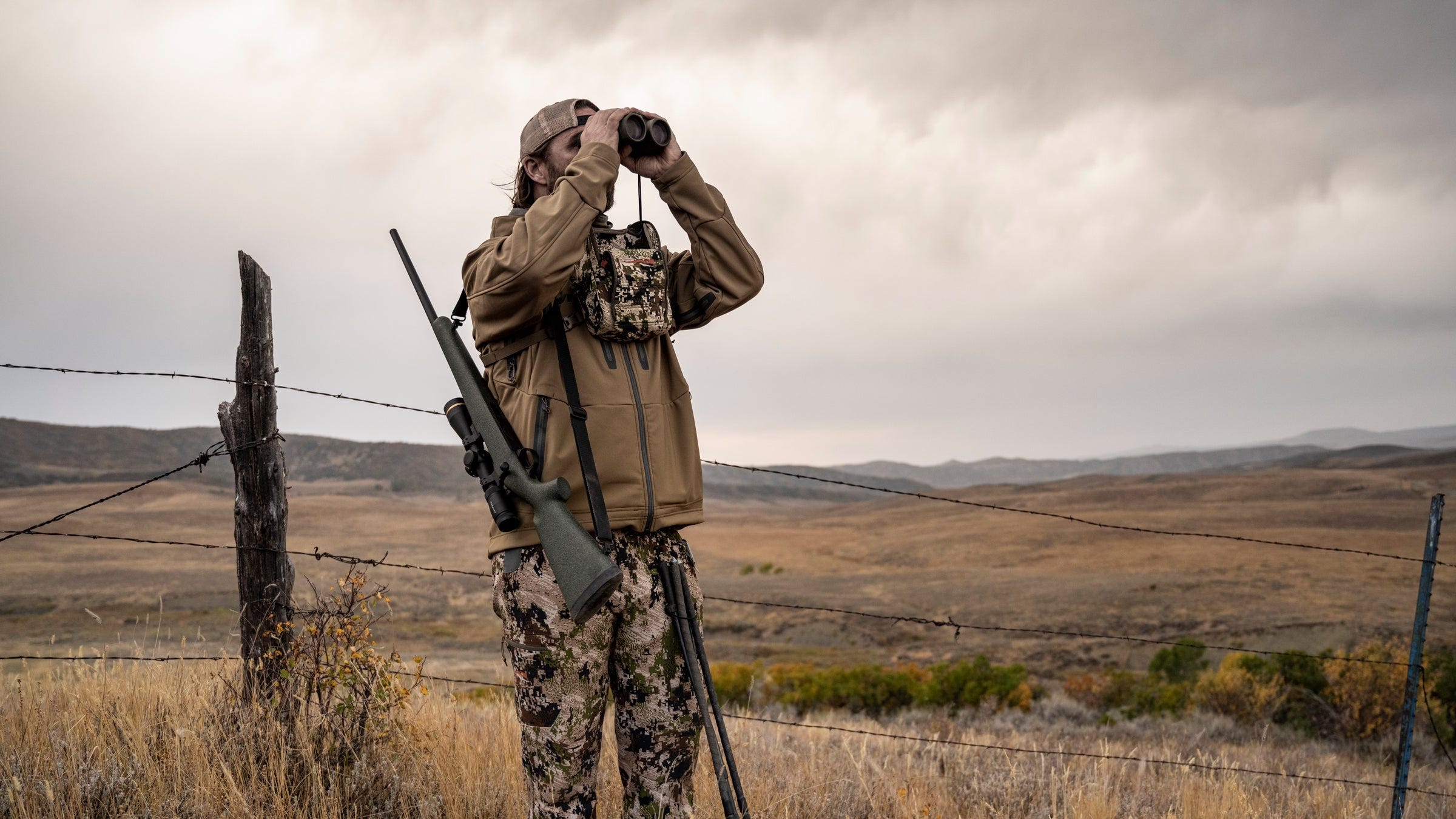
Pete Scobell hunting elk in in Colorado's Routt National Forest in September. (Photo: lan Fohrman)
im guessing all you hunters are anti wolf? anti cow? pro bison? god forbid you trap for fur! we need beavers way more than we need hunters but i support your desire for more public forests, more wildlife corridors, more roadless backcountry, more sanctuary from human interference